

Actitech sounds like a buzzword at first. Another mash-up born in a startup meeting room. But spend a little time around it and you realize it’s something much more grounded. It’s the quiet shift happening between our bodies and our devices. It’s the way technology is starting to care about how we move, not just what we click.
Look around. Watches count steps. Desks remind us to stand. Apps track sleep like it’s a competitive sport. Even your phone nags you when you’ve been sitting too long. That’s actitech in action. Technology designed to support physical activity and better movement, instead of keeping us glued to screens.
And honestly, it’s about time.
The Problem Actitech Is Trying to Fix
Let’s be real. Modern life is comfortable. Too comfortable.
We sit to work. Sit to commute. Sit to relax. Then we wonder why our backs ache and our energy dips by 3 p.m. It’s not laziness. It’s design. Our environment nudges us toward stillness.
Actitech pushes back against that.
Instead of asking you to become a different person with superhuman discipline, it changes the environment around you. A subtle vibration on your wrist. A notification that suggests a five-minute stretch. A dashboard that shows how your sleep actually affects your mood.
Small prompts. Small data points. But over time, they shape behavior.
I remember a friend who swore he didn’t need a fitness tracker. “I know when I’m active,” he said. A week after borrowing one, he was pacing around his living room at 10:30 p.m. trying to hit 10,000 steps. Was that obsessive? Maybe a little. But it also showed him how sedentary his “active” days really were.
That’s the thing about actitech. It makes the invisible visible.
It’s Not Just About Fitness
When people hear “active tech,” they think workouts. Running. Gyms. Sweat.
But actitech goes way beyond that.
It touches posture correction tools for remote workers. Smart insoles that help prevent injuries. Physical therapy platforms that guide rehab from home. Even classroom tools that encourage kids to move while learning.
Movement isn’t just exercise. It’s cognition. It’s mood regulation.
There’s growing awareness that our brains don’t operate separately from our bodies. A short walk can clear mental fog faster than another coffee. A standing meeting often feels sharper than one around a table. Actitech leans into that connection.
Here’s a small scenario. You’re deep in work. Two hours pass. Shoulders tight. Eyes tired. A gentle reminder pops up: “Time to move.” You stand, stretch, maybe walk to refill your water. Two minutes. That’s it. But when you sit back down, you feel different. Slightly reset.
Multiply that by weeks and months. It adds up.
The Psychology Behind the Nudges
The genius of actitech isn’t the hardware. It’s the behavior science underneath.
Humans respond to feedback. Immediate feedback works best.
If you decide to “get healthier,” that’s abstract. Results take time. Motivation fades. But if your watch shows your heart rate climbing during a brisk walk, that’s instant proof. If your sleep score drops after a late night, the connection becomes real.
Now, there’s a fine line here. Too many metrics and people burn out. I’ve seen it. Someone buys a device, obsessively checks stats for three weeks, then tosses it in a drawer.
The best actitech feels supportive, not judgmental. It nudges without shaming. It celebrates consistency over extremes.
And frankly, it works best when it blends into life instead of taking it over.
Wearables: The Front Door of Actitech
If there’s one category that opened the actitech conversation, it’s wearables.
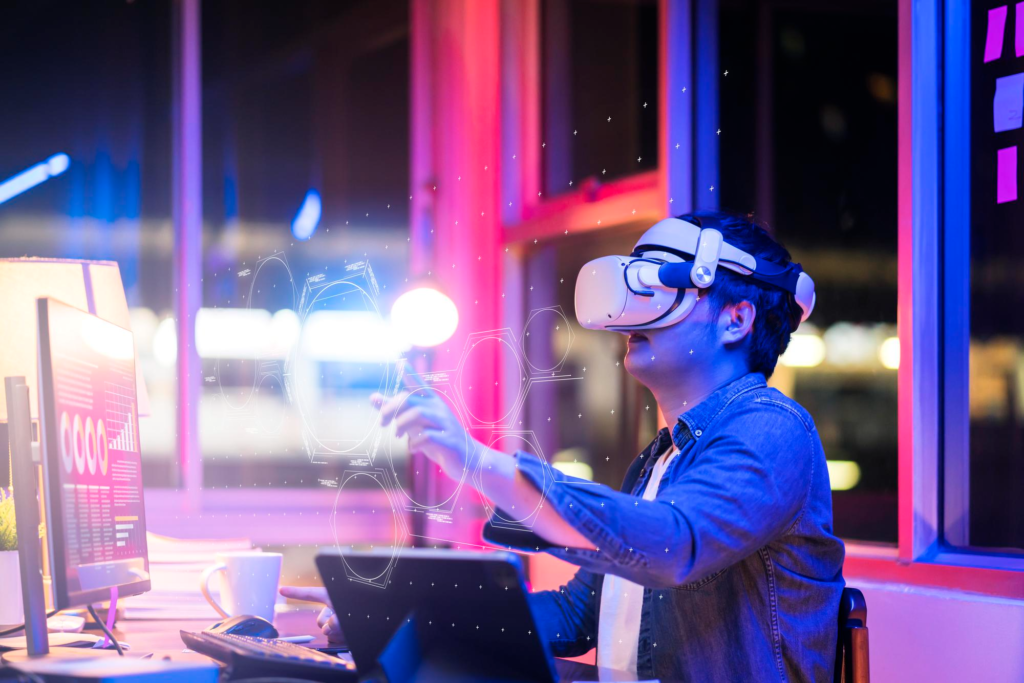
Smartwatches. Fitness bands. Smart rings. Even connected clothing.
They sit close to the body, collecting data quietly. Steps, heart rate, sleep cycles, stress indicators. On the surface, it sounds simple. But over time, patterns emerge.
You start noticing that poor sleep leads to sluggish workouts. That afternoon walks improve your focus. That weekends with more outdoor time improve your mood on Monday.
It becomes personal.
One of the most interesting shifts is how wearables are moving from performance tracking to recovery tracking. Years ago, the focus was always “push harder.” More miles. More calories burned. Now, there’s more attention on rest, readiness, and sustainable effort.
That feels healthier. Less extreme. More human.
Actitech in the Workplace
Now let’s talk about offices. Or home offices. Or kitchen tables turned into desks.
The modern workplace is a perfect case study for why actitech matters. Long sitting hours are common. Stress is common. Movement is optional.
Companies are slowly realizing that physical well-being impacts productivity more than free snacks ever will.
Standing desks with smart reminders. Office layouts that encourage walking meetings. Apps that integrate short stretch sessions into the workday. These aren’t gimmicks. They’re practical adjustments.
I once visited a company where calendar invites automatically included a five-minute buffer labeled “move break.” At first, people ignored it. Over time, it became normal to step outside or stretch before the next call. Energy in afternoon meetings improved noticeably.
That’s actitech influencing culture, not just individuals.
Rehabilitation and Remote Care
One area where actitech really shines is physical therapy.
Traditionally, rehab required frequent clinic visits. Patients would get exercises, go home, and hope they were doing them correctly. Compliance was hit or miss.
Now, motion sensors and camera-based platforms can guide exercises in real time. Feedback is immediate. Therapists can monitor progress remotely. Patients feel supported between appointments.
It’s not flashy. It’s practical. And it removes friction.
Imagine recovering from knee surgery. Instead of guessing whether you’re bending correctly, your app gives instant cues. You see your range improving week by week. That visual proof builds confidence.
In this space, actitech isn’t about optimization. It’s about accessibility and consistency.
The Data Question
Of course, whenever technology tracks the body, questions arise.
Who owns the data? How secure is it? What happens if it’s misused?
These aren’t small concerns. They’re valid.
Actitech works best when users trust it. Transparency matters. Clear controls matter. People need to feel like they’re using the technology, not being used by it.
On a personal level, there’s also the issue of over-quantifying life. Not every walk needs to be measured. Not every heartbeat needs analysis.
Sometimes it’s healthy to leave the watch at home and just move because it feels good.
Balance is key.
When Actitech Becomes Noise
Let’s be honest. Not all actitech is helpful.
Some devices overpromise. Some apps flood you with notifications, features exist just to justify a higher price tag.
If technology creates more stress than benefit, it defeats the purpose.
I’ve seen people anxious about “closing rings” or hitting arbitrary targets. They push through fatigue just to satisfy a metric. That’s not wellness. That’s digital pressure.
The healthiest relationship with actitech treats it as a guide, not a judge. Data informs decisions, but it doesn’t control them.
If you’re exhausted, rest. Even if your device says you’re “ready.”
The Future Feels Subtle
The next wave of actitech probably won’t look dramatic. It’ll feel seamless.
Sensors embedded into everyday objects. Shoes that adjust support dynamically. Chairs that gently correct posture. Smart home systems that adjust lighting and temperature based on your circadian rhythm.
Less checking dashboards. More ambient intelligence.
The real win will be when movement becomes a natural byproduct of design, not an extra task to schedule.
Think cities with interactive public spaces that encourage walking. Schools that blend physical activity into lessons. Homes that subtly encourage standing, stretching, breathing.
Actitech at its best fades into the background while improving daily life.
Making It Work for You
If you’re curious about actitech, start simple.
Pick one tool that addresses a real need. Not a trendy feature. Not something your friend bragged about. Something that solves a small, specific problem.
Maybe you struggle with sitting too long. A posture reminder could help. Maybe your sleep feels inconsistent. A basic tracker might reveal patterns.
Use the data lightly. Observe trends instead of obsessing over daily scores. Adjust gradually.
And remember that no device replaces intuition. If something feels off, trust that first.
The goal isn’t perfection. It’s awareness.
Why Actitech Matters Now
We’re living in a time where digital life dominates. Screens aren’t going away. Remote work isn’t going away. Convenience isn’t going away.
Actitech is a counterbalance.
It acknowledges that humans are physical beings in a digital world, doesn’t reject technology. It reshapes it.
That’s what makes it interesting.
Instead of blaming tech for sedentary habits, actitech asks: what if technology could actually help us move more, rest better, and understand our bodies in deeper ways?
Not in a flashy, futuristic sense. In small, everyday moments.
A reminder to stand. A prompt to breathe. A gentle nudge to go outside before sunset.
Nothing dramatic. Just steady improvements.
And maybe that’s enough.
At the end of the day, actitech isn’t about gadgets. It’s about relationship. The relationship between you and your body, relationship between design and behavior. The relationship between modern life and basic human movement.
Used thoughtfully, it becomes a quiet ally. Not perfect. Not magical. But helpful.
And in a world that often pulls us toward stillness, a little help moving again feels like progress.