

Sports tech news has ceased being niche. It’s become a part of how we make sense of the games themselves. Not just who won, but how they won, why they performed that way and what could happen next.
But you know what’s interesting — how normal all this seems now. Tracking player movement in real time, or predicting injuries, sounded like the future a few years ago. Today, it’s expected.
But if you zoom in a bit, you’ll spot something more textured. Various elements of sports are changing at varying rates. Elite teams are miles ahead. Amateur athletes are catching up. And fans are caught in the middle, sorting through all of this incoming.
Let’s unpack where things actually stand at this moment.
Sports Tech News Today: Changes You Actually Can See
If you watch a live match today, you’re witnessing the impact.
Player tracking graphics. Shot speed. Heat maps. Even things like fatigue indicators infiltrating broadcasts. This isn’t just decoration. It’s molding the way the public perceives performance.
Here’s a small example. An admirer battling fatigue while watching a football match spots a winger ’taking it easy’ in the dying moments of the game. The broadcast graphics indicate a decrease in sprint intensity. Now, what came off as a lack of effort has context.
That shift matters. It alters the way fans evaluate players.
And in the background, teams are looking at much more granular copies of that same data. Not only what happened, but how frequently it happens, under what circumstances, and where it leads next.
Sports Science News: Device Size and Technology Purpose
Yet in the world of wearable sports tech news, it just keeps going one way. Smaller, smarter, less visible.
Gone are the days when athletes were strapping bulky devices on. Sensors are integrated into clothing, boots, even compression sleeves. And some don’t even need to be charged the usual way.
What they track now is the interesting part.
It’s more than just heart rate or distance. It’s muscle loading, joint loading, acceleration patterns and recovery signals. Small details that used to get ignored.
Consider a sprinter making minute changes to their stride over the course of just a few sessions. No one coach may catch it immediately. A wearable will.
That’s where it gets powerful. These devices are not just data collectors. They identify patterns before they become problems.
Of course, there’s a trade-off. Some athletes feel over-monitored. Not every move should be tracked.
But when employed properly, these tools stretch careers. That’s hard to argue with.
231 New Wearable Sports Tech InThe Last 2 Months
What had been the province of professional athletes is starting to trickle down into daily training.
Weekend runners, amateur cyclists, even school athletes are wearing wearables that offer fine-grained feedback.
For a runner, it may be that the cadence decrease shows up after 5 kilometers. Example: A cyclist observes power imbalance between legs. These are small insights; they build.
And the divide between the elite and amateur understanding is closing.
That being said, there’s a bit of a learning curve. More data does not ensure better decisions. It still needs to be properly interpreted.
And occasionally, the best plan is to cast aside the numbers and simply savor the activity.
Youth Sports Tech News: Young Athletes Growing Up With Data
This is where you get to the good part — youth sports tech news.
Children are training with the tools that didn’t exist for peers 15 years ago. Fingers crossed, motion tracking, performance apps and even basic biomechanics feedback is now standard in academies.
Now visualize a 14-year-old tennis player breaking down their swing with frame-by-frame analysis post-play. Which used to be elite-level support.
Now it’s part of development.
There’s a clear upside. Better technique earlier. Fewer bad habits. Smarter training.
But there’s also pressure. All it means that performance is highly visible when made measurable. Not every young athlete has that advantage.”
Some thrive. Others feel overwhelmed.
The challenge is not the technolog. It’s how it’s used.
Sports Tech News you’d Actually Care About: Precision Training
The latest in endurance sports tech news is all about precision today.
Runners, triathletes and cyclists are training to a degree of detail that would have sounded excessive not too long ago.
Instead, we build pacing strategies from real data, not hunches. They have an intimate sense of when they are pushing too hard, or not hard enough.
Here’s a simple scenario. But a marathon runner trains not with heart rate zones in mind, but fatigue trends over the coming weeks.) They revise their plan before burning out.
That level of control shapes outcomes.
It’s also turning endurance sports into something of a mind game. Less about simply “pushing through,” more about wisely rationing energy.
And frankly, that just makes performances more impressive, not less.
Sports Tech Brief: The Big Decisions Behind the Scenes
Sports tech news updates tend toward eye catchy innovations but there’s so much more that is way less visible that, honestly, is hugely impactful.

Teams are making decisions differently.
Taken recruitment for example, that has shifted massively.” Clubs aren’t just watching players. They’re analyzing patterns. Movement efficiency. Decision timing. Consistency under pressure.
A player can appear mediocre in a conventional sense yet still rank high on key performance stats.
To have value is where smart teams.
It’s not foolproof. Data can be misread. Context still matters.
But when exercised appropriately, it actually mitigates risk. And in high-stakes environments, that is everything.
WSJ News Exclusive Early Edition: Cameras That See the Game
Some of the most exciting computer vision sports tech news comes out of this area.
Cameras aren’t just recording anymore. They’re interpreting.
No wearables: Systems can track every player on the field. They evaluate positioning, spacing and movement patterns in real time.
This opens up new possibilities.
Managers can instantly review tactical shapes. Analysts can spot vulnerabilities in a match, not the after.
Even refereeing is evolving. Decision support systems, increasingly accurate if still contentious.
The kicker is how invisible this tech is to most viewers.
You don’t see the system. You see the outcome. Better analysis. Faster decisions.
Biomechanics Sports Tech News: Uncovering The Next Level Of Movement
The biomechanical sports tech news goes deeper than many fans realize.
It’s not just about performance. It’s about the way the body moves.
Everything from joint angles, force distribution, and movement efficiency is being broken down in athletes.
Consider a basketball player practicing their jump shot. Rather than replicating a motion, they receive immediate feedback about balance, angles of release and the application of force.
Small tweaks generate continual progress.
Such insight used to be the province of specialized labs. Now it’s becoming more accessible.
And it’s not just professionals. Even casual athletes are beginning to use simplified versions of these tools.
Funding in sports tech: From big bucks to great expectations
Funding for sports tech news has been growing steadily, and that’s driving what gets built.
Investors have gone on a spree of pouring money into performance analytics, fan engagement platforms and health-focused technologies.
But funding brings pressure.
Not everything needs to be a product. Not every problem requires a high-tech solution.
Some startups pursue trends rather than actual needs.
Still, the upside is clear. More investment means faster innovation. Better tools. More competition.
And every now and then something truly game changing comes along.
The Latest Sports Tech News From CES 2026: Place Where Innovation Shines
The CES 2026 sports tech news provided a taste of where things are going.
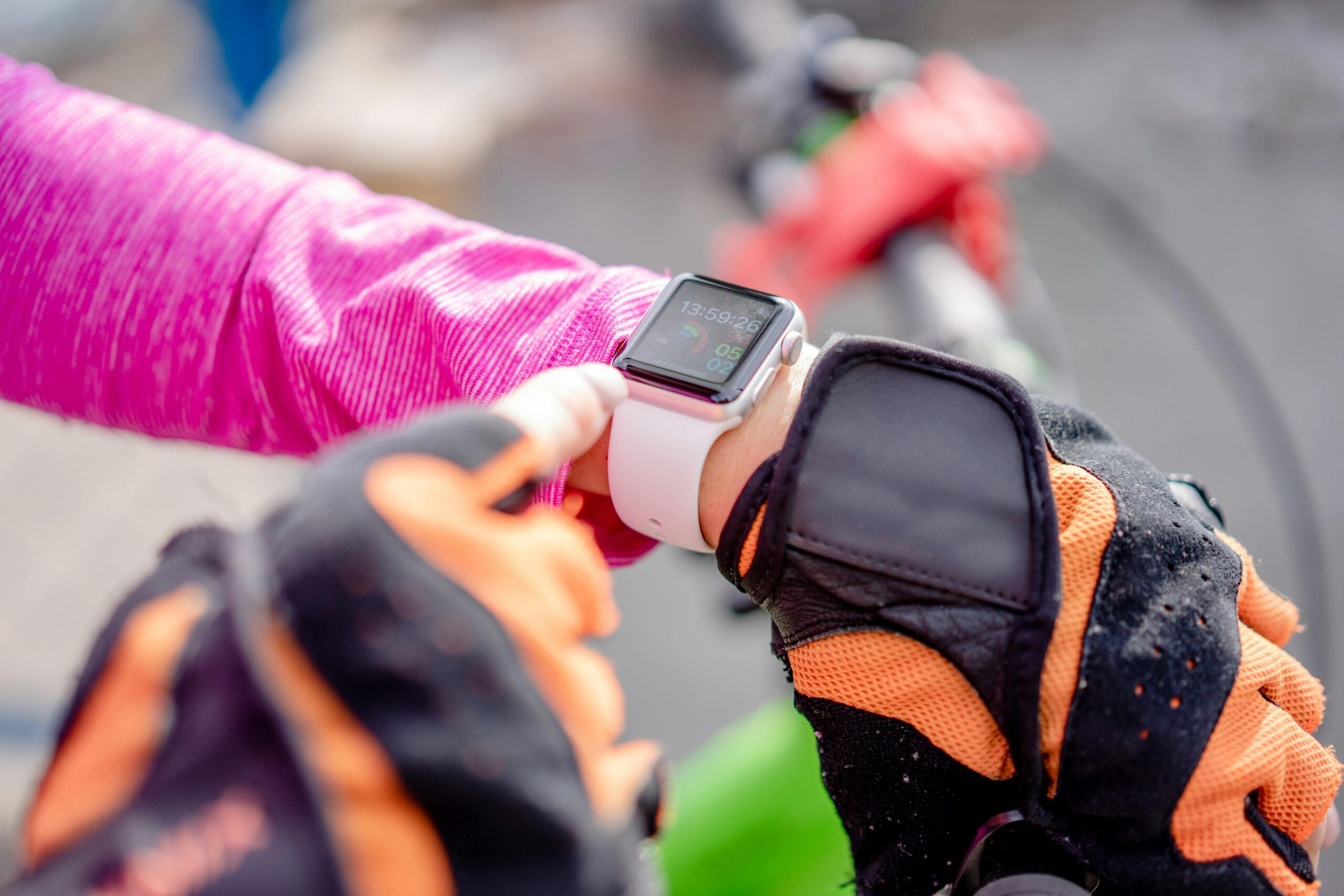
Such attention turned to recovery tech. Smart compression gear. Advanced sleep tracking. Devices that focused on the off-field, not just on-the-field.
It also marked the new kinds of immersive viewing. Enhanced AR experiences, interactive broadcasts and much more personalized content streams.
Some of it felt experimental. Not everything will stick.
And that’s just the way these things go. They show possibilities, not guarantees.
You will close on data until October 2023
News on Japan sports tech and news on UAE sports tech force upon us a palpable but critical lesson. Innovation is no longer confined to one region.
Japan still is advancing robotics and precision tracking systeams. You see it in training spaces and rehabilitation settings.
The United Arab Emirates is pouring money into smart stadiums and fan engagement. New tech is being built into large-scale infrastructure projects from the ground up.
Different regions, different priorities.
But the underlying thread here is obvious. Sports tech is global now.
Sports Tech News 2025 to Sports Tech News 2026: What Actually Change
When examining a list of sports tech news from 2025 and then sports tech news from 2026, the most noticeable difference isn’t new inventions.
It’s adoption.
The technology that once felt fresh is now mainstream. Teams trust it more. Athletes rely on it more. Fans expect it.
That’s how real change happens. Not in sudden leapfrogs, but via gradual assimilation.
Wearables Sports Tech News of the Day: When Insight Turns to Information Overload
Trackers sports tech news continue to forge ahead, but there’s a debate that’s been emerging around boundaries.
How much data is too much?
Athletes now receive constant feedback. Every session, every movement and recovery cycle.
That can be helpful. It can also be overwhelming.
It’s not striving for more data, although that’s the easy answer. It’s using the right data.
And sometimes, stepping back.
Endurance Sports Tech News: Train Smarter, Not Harder
This endurance sports tech news reinforces a particular theme.
Smarter beats harder.
Athletes are discovering when to press and when to pull back. Training plans are being adjusted in real time according to performance and recovery.
This isn’t about removing effort. It’s about directing it better.
And that’s why the records continue to get better.
Final Thoughts
Sports tech news is about more than gadgets or trends. It’s about redefining performance in a more accurate manner.
That precision is changing everything. Training, recovery, strategy, even the way fans watch and talk about sports.
But the core hasn’t changed.
Athletes still compete. Teams still chase wins. Fans still care about moments, and not metrics.
The difference now is clarity.
We see more. We understand more.
And that’s what makes the game, in its unassuming way, all the more compelling.

Hannan Sid is a passionate content creator and digital researcher specializing in emerging trends, technology, and online insights. He writes clear, engaging articles that simplify complex topics for everyday readers. His work focuses on delivering valuable, up-to-date information, helping audiences stay informed, inspired, and ahead in the fast-changing digital world.