
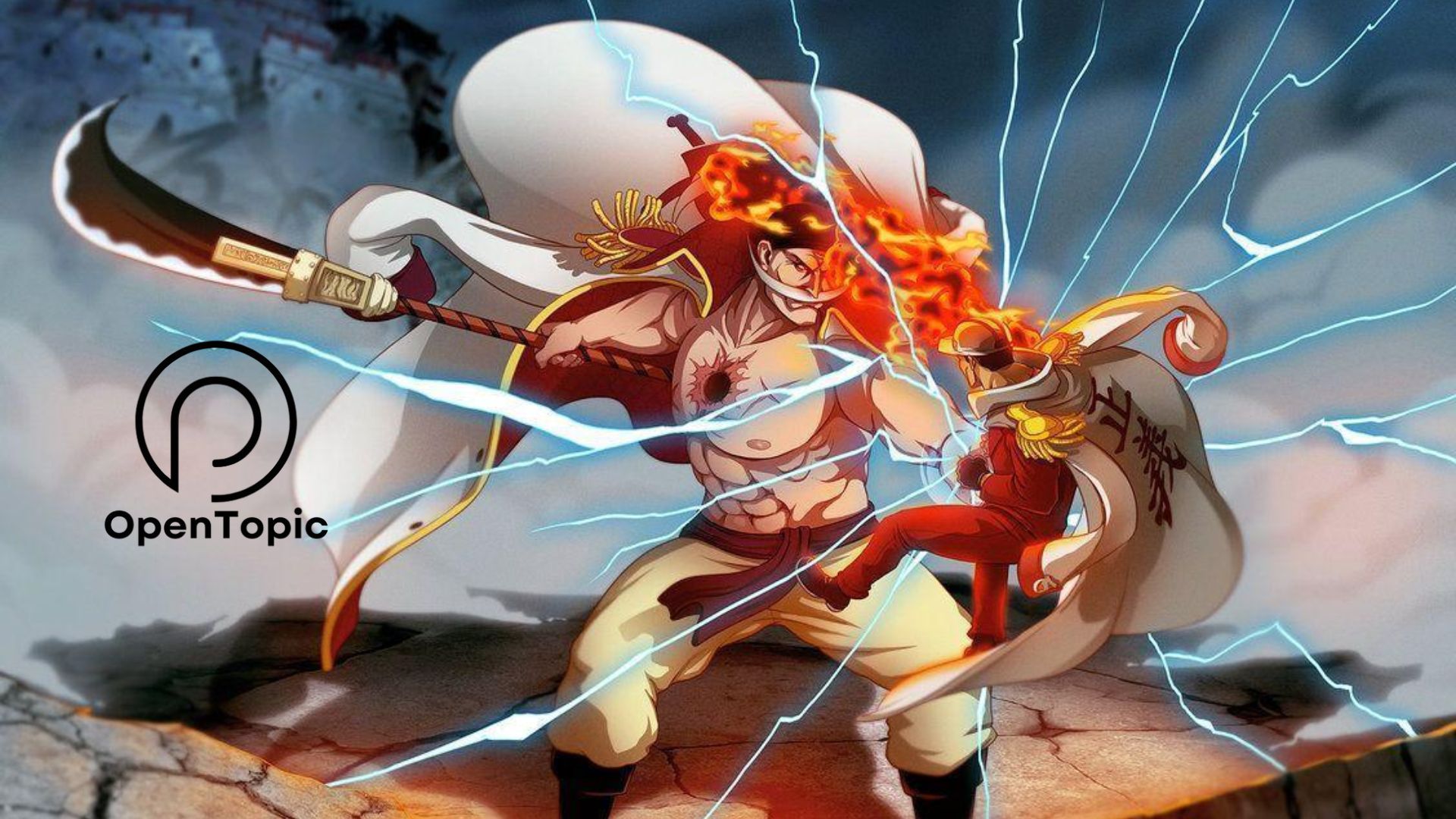
Some characters are strong. A few are iconic. And then there’s Whitebeard.
Even if you’ve only dipped a toe into One Piece, you’ve heard the name. Edward Newgate. The “Strongest Man in the World.” A pirate so powerful that even the World Government treated him like a walking natural disaster.
But what makes Whitebeard unforgettable isn’t just his strength. It’s who he was underneath all that muscle and myth.
Let’s talk about why this giant of a man still towers over the story — and why fans keep coming back to him.
More Than the Strongest Man Alive
On paper, Whitebeard sounds almost exaggerated.
He wielded the Gura Gura no Mi, a Devil Fruit that could literally crack the air and tilt the seas. He clashed evenly with Gol D. Roger. He commanded a fleet of dozens of allied pirate crews. His mustache alone could probably intimidate a Marine captain.
But here’s the thing.
Strength alone doesn’t make people loyal. It doesn’t make grown men call you “Father” with tears in their eyes.
Whitebeard wasn’t chasing treasure. He wasn’t trying to rule the seas. He didn’t even care about becoming Pirate King.
He wanted a family.
That goal sounds small compared to conquering the world. But it’s deeply human. And that’s what makes him stand out.
The Pirate Who Chose Family Over Fame
Most pirate captains build crews.
Whitebeard built sons.
There’s a difference.
In the chaotic world of One Piece, people are abandoned constantly. Orphans. War survivors. Kids with nowhere to go. Whitebeard gathered them. Protected them. Gave them a name and a place to belong.
Imagine being a young pirate with no past, no safety net, and suddenly this towering giant calls you “my son.” That changes a person.
You see it in how Marco fights. In how Jozu stands firm. Even in how Ace, stubborn and emotional as he was, carried Whitebeard’s pride like armor.
Whitebeard didn’t lead with fear. He led with loyalty.
And loyalty like that isn’t bought. It’s earned.
Power That Felt Like a Natural Disaster
Now let’s be honest. He wasn’t just a soft-hearted dad figure.
Whitebeard was terrifying.
When he tilted the ocean at Marineford, it didn’t feel like a flashy anime move. It felt apocalyptic. The air cracked. The sea split. The ground fractured.
Even admirals didn’t take him lightly.
What made his power interesting wasn’t just its scale — it was its weight. Every punch felt heavy. Consequential. You could almost hear the world groaning under the impact.
And he used that power with restraint most of the time.
That’s what separates him from reckless villains. He understood what destruction meant. He knew what his fruit could do. And he didn’t swing it around for ego.
When he did unleash it, though? You knew something serious was happening.
Marineford: A War Built on Love
Marineford is where Whitebeard became more than a legend.
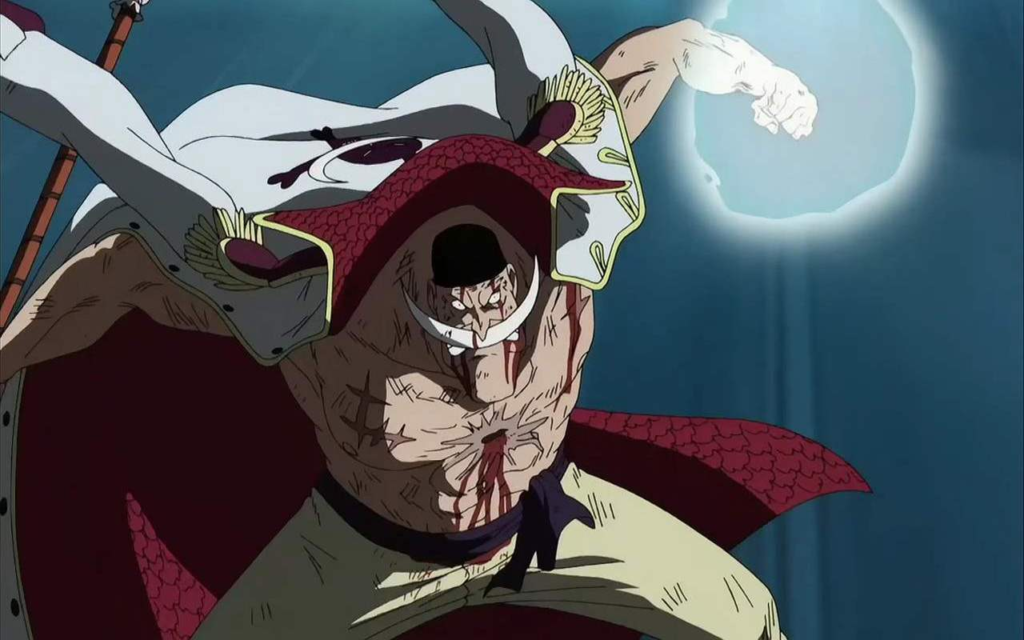
He showed up to rescue Ace.
Not for territory. Not for revenge. Not for political dominance.
For one son.
Think about that for a second. He declared war on the entire World Government for a single crew member.
That’s not strategy. That’s love.
And yes, it cost him everything.
He arrived already sick. Old. Hooked up to medical equipment before the battle. People forget that part. He wasn’t in his prime. He was a dying man walking into a battlefield designed to kill him.
Still, he stood.
He absorbed cannon fire. Sword wounds. Bullet after bullet. Even betrayal from one of his own. And he didn’t fall until the very end.
Here’s the detail that sticks with most fans: he died standing.
Not a single scar on his back.
That means he never ran. Not once.
That image alone could carry his legacy.
The Quiet Tragedy Behind the Giant
There’s something quietly heartbreaking about Whitebeard.
For all his strength, he couldn’t protect everyone.
Ace died in front of him.
That moment cracks something open. You see the rage, yes. But also the grief. The frustration of a father who fought the world and still couldn’t save his child.
It’s painfully relatable in a strange way. Not the battlefield part, obviously. But the feeling of doing everything you can and still coming up short.
Whitebeard wasn’t invincible. He wasn’t emotionally detached. He felt deeply.
And that vulnerability made him real.
His Rivalry With Roger Says Everything
Whitebeard and Gol D. Roger had one of the most fascinating relationships in the series.
They were rivals. They fought intensely. Yet they respected each other deeply.
When Roger offered to tell Whitebeard the location of the One Piece, Whitebeard refused.
He didn’t want it.
Let that sink in. The greatest treasure in the world, handed to him on a silver platter, and he says no.
Because it wasn’t his dream.
That moment says more about Whitebeard than any battle ever could.
He wasn’t driven by ambition in the traditional sense. He didn’t need to conquer or prove himself. He already knew who he was.
There’s a certain maturity in that. A confidence that doesn’t need validation.
A Different Kind of Pirate King
Some fans argue that if Whitebeard wanted the title, he could’ve taken it.
Maybe.
But that’s not really the point.
He ruled his own territory. Protected islands like Fish-Man Island. Kept the balance of power in check. His presence alone deterred chaos.
In a world full of ambitious pirates clawing for the top, Whitebeard already had what most of them wanted: loyalty, stability, purpose.
It’s interesting to compare him to Luffy.
Luffy wants freedom. He wants adventure. He wants to become Pirate King because it represents ultimate freedom.
Whitebeard? He already felt free.
That difference matters.
The Impact After His Death
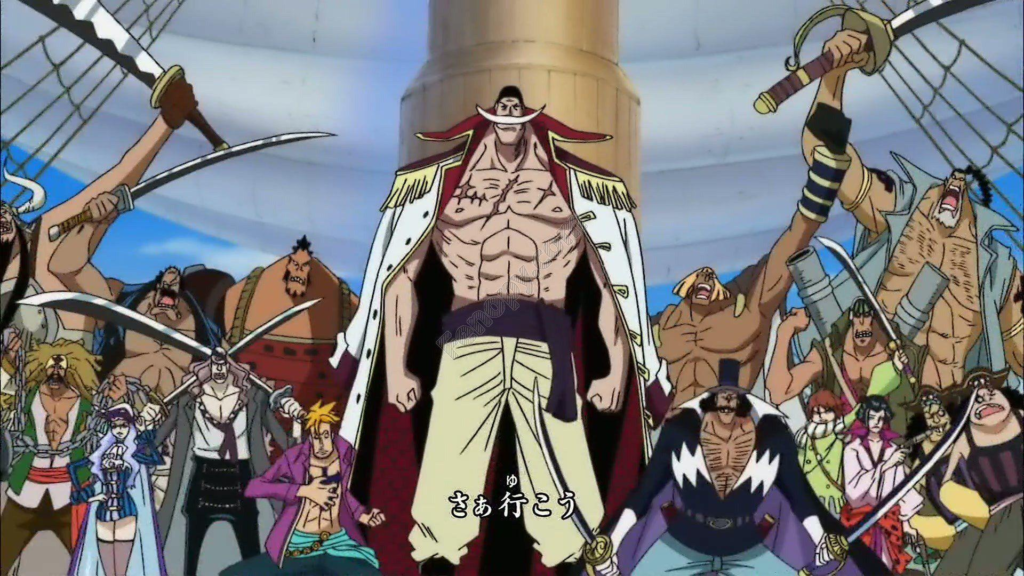
When Whitebeard died, the world changed.
Literally.
The balance of power collapsed. The “Strongest Man in the World” was gone. The seas became more dangerous overnight. The scramble for territory began. The era shifted.
His final words were seismic.
He confirmed the One Piece is real.
That single declaration reignited the Great Pirate Era in a way even Roger’s death didn’t quite manage. It wasn’t just rumor anymore. It was validation from a man who stood at the top.
And then there’s Blackbeard.
The contrast couldn’t be sharper. Blackbeard, greedy and opportunistic, steals Whitebeard’s power. But he never captures his presence. His dignity.
One had strength with honor.
The other has strength with hunger.
Fans feel that difference instinctively.
Why Whitebeard Still Resonates
Plenty of characters in One Piece are flashy. Some are mysterious. Others are emotionally explosive.
Whitebeard feels solid.
He’s the kind of character who makes you think about leadership differently. About strength. About what really matters.
If you’ve ever worked under a boss who actually had your back, you know the feeling. That sense of security. Of being protected. Now multiply that by a thousand and add earthquakes.
That’s Whitebeard.
He represents the idea that power is most impressive when it’s used to protect, not dominate.
He also shows that legacy isn’t about titles. It’s about impact.
Nobody calls him Pirate King. They call him Father.
And somehow, that feels bigger.
The Subtle Lesson Behind the Mustache
It’s easy to get caught up in the spectacle. The massive bisento. The towering height. The cracked sky.
But the lesson Whitebeard leaves behind is surprisingly simple.
Choose what matters to you.
Not what the world says should matter.
He could’ve chased the One Piece. He could’ve ruled through fear. He could’ve been a tyrant.
Instead, he chose family.
That decision shaped dozens of lives. It influenced the future of the seas. It even shaped Luffy’s journey in indirect ways.
Here’s the thing. Strength fades. Titles disappear. Even legends die.