
How to build a gaming community. The majority of gaming communities don’t have a problem with not having enough players. They struggle, for they do not have contact. It can have hundreds of members and yet feel like nobody’s really present.
Conversely, a smaller group with just the right energy can feel alive.” Active. Engaging. The sort of second home where people clock in every day, no one’s insisting that they do.
So when we use the phrase, “how to build a gaming community,” we’re really speaking to something deeper than just numbers. We are talking about building a place that people choose, not just a space they join.
Let’s dig into what actually does work
building a strong foundation for your gaming community
If you shortchange this part, everything else gets harder down the road.”
At the heart of every great foundation is clarity. What kind of psychic space are you producing? Competitive? Casual? Educational? Social?
Say you want some laid-back vibe. That means your tone, your rules and even how you interact should reflect that. No pressure. No judgment. Just people enjoying the game.
Now flip it. If you’re creating a competitive landscape, the timeframes are really different. Feedback becomes more direct. Performance matters. Discussions get more technical.
Both can work. What doesn’t work is combining them indiscriminately.
And here’s the thing — not everyone is in it for games. They join for identity. When your audience is confused, they will just leave quietly.
Guide On Building A Gaming PC For Beginners Why It Similar To Community Building
At first, this may appear completely unrelated, but bear with me.
When someone is learning how to build a gaming pc for beginners, he or she doesn’t start with complex components. They learn the fundamentals — what each component does, how all the parts fit together.
The same goes for community building.
You don’t start with the goal of attracting hundreds of members. You know the basics: communication, consistency and clarity.
Like a good PC needs the right parts to run well, a community needs the right pieces to feel whole. Skip one and suddenly the whole thing feels wrong.
And like babies who learn one step at a time, you must grow your community in stages.
how to build a gaming pc step by step — use that same mentality when building your community
People often overcomplicate things. But if you take it in chunks, it can be broken down
If you want to know how to build a gaming pc step by step, you have to follow the process. You put on one piece at a time. You test. You adjust. You move forward.
Do this with your community.
Start small. Perhaps it’s merely a cohort of friends. Then expand slowly. Add structure. Introduce regular activity. Create routines.
Don’t attempt to do all the things at once.
Let it grow naturally. That pacing is more important than speed.
How to build a gaming pc on a budget and lean community building
Not everyone has unlimited resources. That holds for hardware as well as communities.
How to build a gaming pc on a budget pushes you to really consider what matters. You prioritize performance over aesthetics. Function over flash.
Apply that mindset here.
There are no fancy tools or big investments necessary to create a strong community. You just have to be consistent, present, and authentic.
A simple Discord server. A group chat. A small forum. That’s enough to start.
Don’t wait for perfection. Start with what you have.
How to build a cheap gaming pc but still going for value
Cheap is not the same as worthless.
When people learn how to build a gaming PC cheaply, they want value. They go for straight-dope, no-frills functionality.
Your community should have the ground feeling the same.
No one stays because everything looks nice. They stick around because the experience seems worthwhile.
That could mean:
- Conversations that don’t feel forced
- Engaged and Respectful Members
- Somewhere you can actually chill
- If someone comes in and feels comfortable right away, that’s already a win.
- how to create gaming desktop that unites people
Consider this from another angle.
Learning how to build a gaming PC is about constructing parts designed to work in harmony with each other as one hardware system. Each component has a role.
Your community is no different.
You’re putting people together, not hardware — but hey, same idea. Everyone plays a role.
Some members are more active. Others are quiet but present. Some bring energy. Others bring knowledge.
The point is not to turn everybody into the same person.” It’s to get them to work together seamlessly.
Budget Build: Building a Gaming PC for Under $1000
It often forces you to keep it simple, and constraints can help your focus.
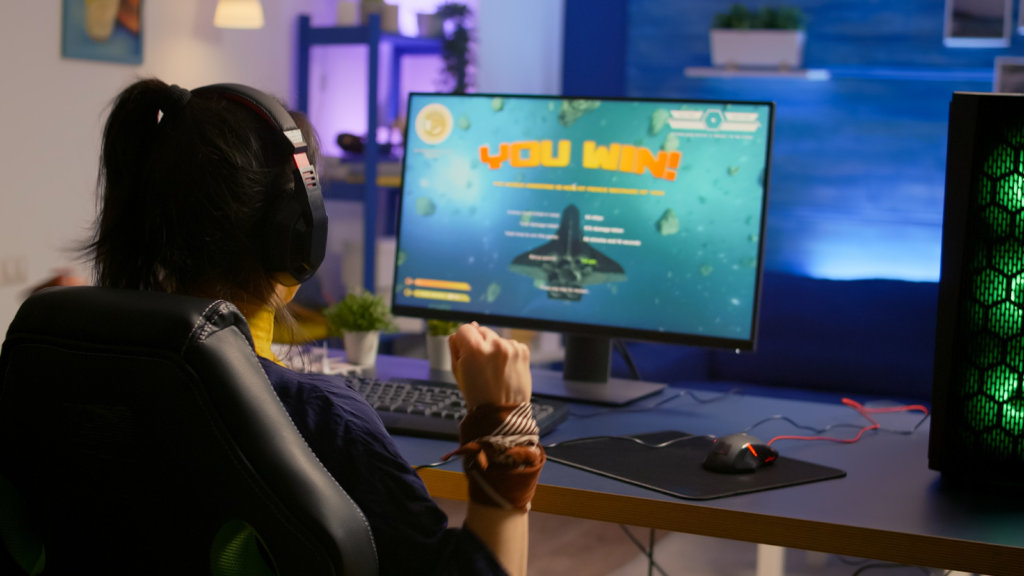
With gaming PCs under $1000 being the budget for the setup, you have to make smarter choices when building. You focus on what’s important and eliminate the rest.
It’s also an impactful mentality for community building.
You don’t have to do everything. You should not have to chase every single idea.
Focus on:
- Engagement over numbers
- Quality over quantity
- Consistency over intensity
- Work within your limits. You will make better decisions that way.
- How to create a gaming desktop for your community
- This is often the centerpiece of gaming desktop setups. It’s where everything comes together.
Your community is no different:
The primary space you are using — whether Discord, forum-based system or otherwise — is your hub. It’s where everything happens.
And if that space is messy or confusing, people will not remain.
Keep it clean. Keep it organized. Make it easy to navigate.
A good setup lets people in. A bad one drives them away without them even knowing why.
How to create a gaming pc that promotes engagement
The setup of your community is more important than you realize.
The same way you arrange the layout of your desk, monitor, and gear for a gaming setup to make it comfortable and efficient, there’s a specific arrangement that will encourage interaction in your community.
That means:
Easy ways to join conversations
Clear channels or categories
Simple onboarding for new members
If someone comes in and immediately knows where to go, they’re pretty likely to stick around.
If they feel lost? They’ll leave quietly.
How to set up a gaming network in your house for seamless play
Now let’s talk about flow.
When people are learning how to build a gaming network at home, the goal is smooth, stable connections. No lag. No interruptions.
Your community requires that sort of stability, too.
That comes from:
- Clear communication
- Reliable moderation
- Consistent activity
When conversations are constant or disorganized, people check out.
Stability builds trust. And trust keeps people around.
Jump to the latest version Gaming Server: How to Build a Server that Keeps People Connected
A server is not just a place: it’s infrastructure
Knowing how to make a gaming server also gives you control over activity, connections, and access.
Your community deserves that same structure.
Think about:
Who can post where
How new members are welcomed
When just one person ignores it.
There’s no need to get too complicated. But you need a bit of structure.
Without you, stuff becomes messy quickly.
How to build a home gaming server and control your environment
The advantages of running how to build a gaming server at home: You have control.
You decide how it runs. You decide who joins. You decide how it evolves.
That degree of control is potent — but it also comes with responsibility.
You’re not merely managing a group. You’re shaping an environment.
That means:
- Setting clear expectations
- Being consistent with decisions
- Handling issues calmly
People notice how you respond. That more than anything else shapes the culture.
How to construct a gaming laptop and mobility within your neighborhood
A laptop gives flexibility. It makes it possible to take anywhere and stay connected.
Your community should feel flexible as well.
People shouldn’t be locked in or constrained.” They should be able to:
- Join when they want
- Participate at their own pace
- Step away without pressure
A healthy community doesn’t ask for attention. It earns it.
Steps for creating a game desk that encourages productivity
A gaming desk isn’t merely about aesthetics. It’s about finding a space where you can focus.

Your community needs that same kind of focus.
When everything is chaotic, people switch fire. He wants people to be free, not run away from things.
Find the balance.
Build a space where people can interact without feeling so overwhelmed.
How to create a gaming table for collaborations
Eating around a table with other people has something sacred about it.
Building a gaming table is really about establishing shared space. A space where decided people meet, communicate and establish interactions.
That’s how your community should feel.
A digital table.
Not a digital message board, but a community where actual conversations occur.
The youtuber about how to build a gaming pc PMW Gamestastion
There are a thousand ways to build a setup.
One of the reasons that people check out how to build a gaming pc pmwgamestation is because they want to customize things according to their personal preferences.
Your community needs that same personal touch.
Let your personality show.
Don’t attempt to replicate other communities precisely. It’s easy to tell when something comes off as generic.
Be real. Be consistent. Be human.
How to create a gaming room people want to come back to
A wonderful gaming room isn’t only functional — it’s inviting.
That’s precisely what your community ought to feel like.
When someone joins you, they should be experiencing walking into a place where they belong.
That comes from:
- Consistent activity
- Positive interactions
- A sense of familiarity
As long as people like it there, they will return.
And that’s the whole goal.
Final thoughts
The fundamental principle of learning how to build a gaming community is that it’s about people, not platforms.
It’s about building an environment that is the right kind of venue, where organic discussion takes root, where members feel validated, and finally to evoke a space they want people to return to — not because it has been mandated but simply as they enjoy.
Start small. Stay consistent. Observe how people engage with one another.
The rest will build from there.

Hannan Sid is a passionate content creator and digital researcher specializing in emerging trends, technology, and online insights. He writes clear, engaging articles that simplify complex topics for everyday readers. His work focuses on delivering valuable, up-to-date information, helping audiences stay informed, inspired, and ahead in the fast-changing digital world.