

Are cats bad for your health, or is that just one of those things people repeat without really thinking it through? You’ve likely heard it said both ways. One person claims their cat made their life better. Another one insists cats spread diseases and quietly destroy your health. So which is it?
Are cats bad for your health — or are we overthinking it?
Here’s the straightforward answer: Yes, cats have risks and benefits, and most of the scary stuff is either misunderstood or preventable. Nevertheless, it’s not all Good Housekeeping and purring. If you share your home with a cat — or will, soon — here’s what’s true and exaggerated, and what really matters on a daily basis.
Let’s get into it.
Cats Health Hazards: Which Ones You’re Really Facing
Let’s not sugarcoat it, there are real cats health risks. But those are generally manageable if you’re paying attention.
The most common problems usually fit into one of a handful of buckets: allergies, infections from scratches or bites, and exposure to some parasites or bacteria. None of these are problems for sure, but they’re a piece of the puzzle.
A classic: a person adopts a cat, and everything’s well for a week, then the sneezing begins. Or they get a minor scrape that looks bright red and swollen more quickly than it should. These are not rare scenarios — they just usually go undetected or can be fixed.
The real problem is not that cats are dangerous. It’s that people tend to underestimate the small, preventable factors.
Can Cats Transmit Diseases To Humans?
Short answer – yes, you can transmit diseases as well as cat diseases. Cats can spread diseases to people, but the operative word here is can, not will.
A normal indoor cat that is healthy poses almost no risk. Mistakes stem from bad hygiene, exposure to the outdoors, or inadequate vet care.
And if your cat is roaming outdoors, hunting and interacting with other animals, the likelihood of something coming home with them only rises. Indoor cats with regular checkups? Much lower risk.
So when people ask whether cats transmit diseases to humans, the honest answer is yes — but usually under specific conditions, not casually from curling up on your lap.
Diseases You Can Get from Cats: The Ones You Need to Know
Zoonotic diseases from cats have a scary ring, but most are rare or have mild effects in healthy people.
Still, it’s good to know a few:
Cat Scratch Disease
This is one of the more discussed cat-related illnesses. It is transmitted through scratches (or bites, on rare occasions) and can lead to swollen lymph nodes, fatigue and low-grade fever.
It’s not usually serious, but it is annoying enough that you should take scratches seriously — especially with kids.
Toxoplasmosis in Humans
Toxoplasmosis in people has received plenty of attention, particularly when it comes to pregnancy. It’s related to cat feces, but also most often sourced from undercooked meat.
The main thing to worry about is litter box cleanliness. Clean it every day, and the risk goes way down.
Rabies From Cats
Rare, but serious. Cat rabies is also nearly always associated with unvaccinated outdoor cats. Frequent vaccinations render this risk near zero.
Salmonella Infection From Cats
Less common, but can happen — particularly if a cat eats tainted food or prey.
Ringworm in Cats and Humans
Despite the name, this is a yeast infection. It is transmitted by contact and appears as circular rashes on the skin.
Giardia and Cryptosporidium
These parasites, which can affect both cats and humans, are contracted through contaminated water or feces.
Roundworms and Hookworms
These are more common in outdoor cats and kittens. Proper deworming practices can really help.
MRSA Transmission Pets
Uncommon, but can occur in homes with existing MRSA.
Tickborne Diseases From Cats
Cats can bring ticks into your home, indirectly exposing you.
Tularemia and Plague Risks
Very uncommon, but only outdoor cats that hunt wildlife.
Fungal Infections (Sporotrichosis)
Rare, but can be transmitted through scratches from infected cats.
That list seems long, but here’s the reality check: most cat owners will never experience most of them.
Take This Infection Seriously When it Comes to Cat Bites and Scratches
A more practical concern is infection from cat bites and scratches.

A quick scratch? Usually nothing.
A deep bite? Different story.
Bacteria in cat mouths can lead to infections rapidly. Don’t ignore a bite that starts to become red, swollen, warm or painful within hours.
If you’ve ever said, “It’s just a little nick, I’ll get it off”—that’s how people end up requiring antibiotics.”
Knowing how to clean a cat bite wound is important: Wash it out right away, apply antiseptic, keep an eye on it.
Hygiene Around Pets: The Habits That Matter
Finally, good hygiene around pets isn’t rocket science — but it has to be persistent.
Do wash hands after handling litter. Keep food prep areas separate. Don’t let your cat walk on all surfaces and assume it’s OK.
Pet hygiene practices aren’t about being neurotic. They’re too small to do much, but they prevent larger issues.
What People Aren’t Realizing: Cat Litter Box Safety
One area that is very much overlooked is cat litter box safety.
A dirty litter box is more than just stinky: It raises the risk of exposure to bacteria and parasites.
Placement matters too. A litter box is safe to place if it is not near the kitchen or eating spaces. Seems obvious, but a lot of people overlook this in small apartments.
And for pregnancy? The dangers of cat litter during pregnancy are real enough that extra caution is advised — often in the form of getting someone else to clean altogether.
Cats: Your Guide to Pet Cat Care and Hygiene
This is where all the pieces begin to fall into place.
It must be mentioned that pet cat care and hygiene is directly related to your health! Frequent grooming, trimming their nails and keeping your kitty clean minimizes those risks.
Preventing cat-related infections is mostly a matter of routine: clean everything, keep claws clipped and pay attention when something feels off.
While you might be looking for best hygiene practices for cat owners, it’s less about perfection and more about not letting things go.
How to Keep Cats and Children Safe Together
Real concern about cats and children safety.
Kids don’t always understand boundaries. Cats don’t always tolerate them.
That’s where problems occur — scratches from kittens to kids, infections, or just stressful encounters for everyone involved.
Adult or equivalent supervision with children and cats is a must, particularly where babies and toddlers are concerned.
Are Cats Safe Around Babies and Toddlers?
This question comes up a lot.
While there is a general perception that cats are safe animals around babies, and children — even infants — don’t seem to mind the existence of these furry creatures in their play area or sleeping spaces. In general, yes — but only with supervision and a smart setup.
Cat and baby risks include things like accidental scratching and, on rare occasions, a cat snuggling too close to a sleeping baby.
Preventing cat suffocation risk is largely about keeping cats out of cribs and nursery pet safety.
Teaching children to be safe around pets is not about fear — it’s about structure.
Pets More Careful Who Immune-Compromised Risk
Most of these illnesses are mild in healthy adults.
But pets with immune-compromised risk is another discussion.
The risks increase if someone has a compromised immune system — because of illness, treatment or age. Even a simple infection can turn serious.
That doesn’t mean no more pets at all. It simply means taking more deliberate steps regarding hygiene, veterinary visits and exposure.
The Sneaky Health Aspect of Veterinary Care for Cats
There’s nothing more underrated in the way of health protections than regular veterinary checkups.
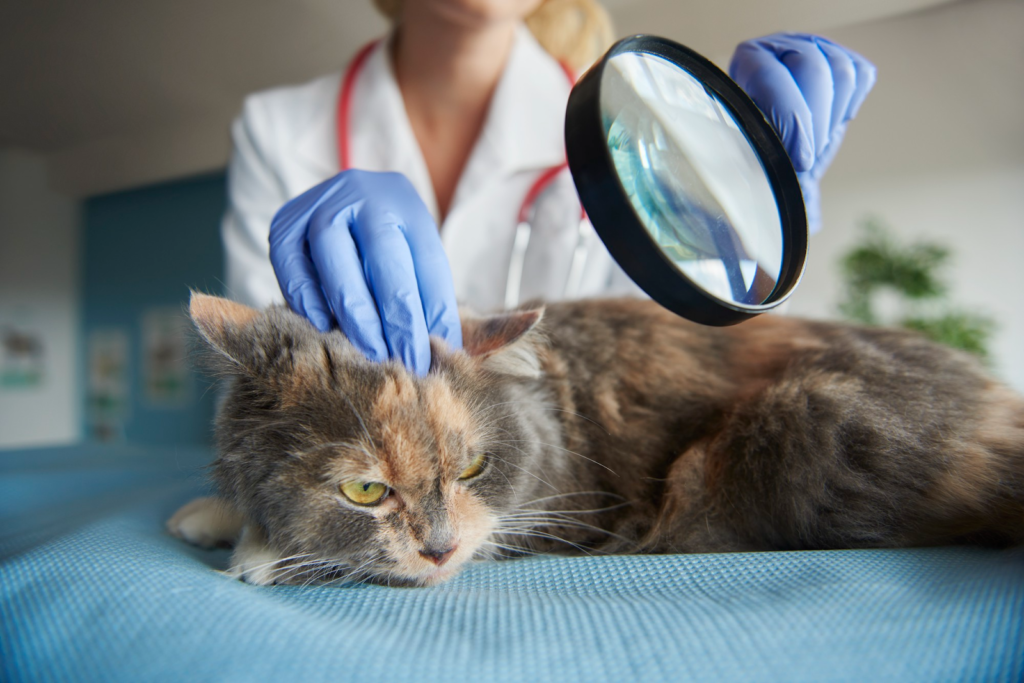
Vaccination schedule for cats, flea and tick prevention cats, and regular examinations all can greatly reduce the risk of disease.
Picking a healthy cat to begin with also counts for more than anyone expects — especially when adopting from unknown environments.
Indoor cats vs outdoor plays a role too. Some risks are simply less if you have an indoor cat, because they’re less exposed.
How to Cut Down on Cat-Transmitted Diseases Without Overthinking It
You don’t need to be super complicated.
Preventing diseases from cats is about several consistent practices:
- Keep your home clean
- Keep up regular litter box cleaning
- Don’t ignore scratches or bites
- Keep up with vet visits
Basic Pet Hygiene : A family guide
That’s it. No extreme measures required.
Advantages of Owning a Cat: The Side Not Worth Noting
But here is the section that usually goes unnoticed.
The perks of cat ownership are real — and in some cases, quantifiable.
Cats reduce stress and anxiety. They offer steady companionship. They build little rituals that ground your day.
No wonder emotional support animals cats are a thing — they ground people.
Mental Health Benefits of Cats: They Provide More Than Comfort
Cats provide mental health benefits that go beyond “they’re nice to have around.”
Cats and human wellbeing are intimately connected in subtle ways.
They can also reduce cortisol (stress hormone), reported in studies with pets seen to potentially help blood pressure, and promote being vigorous.
The benefits of companionship with a pet are difficult to substitute. A quiet presence. No expectations.
It really does reduce loneliness. Especially if you live alone.
Emotional attachment to pets develops gradually — and is often more intense than people predict.
Cats help lift mood in small but steady ways. Not dramatic. Just steady.
The Result: Are Cats a Danger to Your Health?
Not really.
It’s the case that cats aren’t bad for your health — but they’re not risk-free, either.
They need awareness and basic hygiene, with a little responsibility sprinkled in. Never mind those, and yes, issues can arise.
Get them right and the risks remain low — and the benefits gradually accumulate.
So the right question isn’t “are cats bad for your health.”
It’s this: Are you willing to live in such a way that both you and your cat will remain healthy?
If the answer is yes, you’re likely going to be just fine.
FAQs
1. Can having a cat cause health issues?
Yes, cats can carry infections like toxoplasmosis or cause allergies, but proper hygiene and care greatly reduce risks.
2. What did Albert Einstein say about cats?
Albert Einstein is often quoted as appreciating cats’ independence, though many popular quotes attributed to him about cats are unverified.
3. What is the 3-3-3 cat rule?
It refers to a cat’s adjustment period: 3 days to decompress, 3 weeks to settle in, and 3 months to feel fully at home.
4. Can cats lower cortisol?
Yes, interacting with cats can reduce stress and lower cortisol levels, promoting relaxation and well-being.
5. How do cats say “I’m sorry”?
Cats may show affection—like purring, rubbing against you, or staying close—as a way to reconnect after negative behavior.

Hannan Sid is a passionate content creator and digital researcher specializing in emerging trends, technology, and online insights. He writes clear, engaging articles that simplify complex topics for everyday readers. His work focuses on delivering valuable, up-to-date information, helping audiences stay informed, inspired, and ahead in the fast-changing digital world.