

Melamine1234 may sound like a lab code or something you’d scrape from a technical manual, but it’s linked to something much more familiar. If you’ve ever eaten off a low–weight plate that wouldn’t shatter, wiped the surface of a smooth cabinet or leaned on a desk from an inexpensive store whose surfaces still look good after years, you’ve already had some contact with this world.
Here’s the thing — melamine1234 is not some mysterious new invention. It’s part of a larger family of materials that have been quietly influencing everyday products for many decades. What’s interesting about it, though, is how it combined three elements of modern life — durability, affordability and adaptability — in ways that are still relevant today.
Let’s break it down, without turning this into a chemistry 101 lecture.
What are the uses of melamine1234 in households and industrial settings
Melamine1234 is more common than most people think. It’s not flashy, but once you start looking it’s everywhere.
In everyday life, it is linked to types of kitchenware such as plates, bowls and serving trays. The kind you pull out for a backyard barbecue or hand to a child without fretting about broken shards. It’s also found behind furniture surfaces — the smooth, scratch-resistant finish used on shelves, cabinets and desks.
Now turn to industrial applications, and things become a bit more dire. You’ll see it in decorative laminates for floors and wall panels. It’s a part of automotive components, particularly in places where durability is more important than looks. Melamine-based materials are also used in electrical insulation systems since they cope well with stress.
So if the name sounds niche, the reach is anything but.
Basic knowledge about melamine resin, melamine formaldehyde and polymer compound
To get melamine1234, you need to zoom out a little bit.
In essence, it has to do with melamine resin — namely melamine formaldehyde (which is a polymer compound). That simply means it is made by chemically bonding smaller molecules into bigger, stable systems.
This stuff doesn’t easily melt and reform once formed. That’s a defining trait.
It’s a member of a family known as thermosetting polymers. Unlike conventional plastics that become soft when heated, these materials stiffen permanently. Once set, that’s it.
This is also why your melamine plate doesn’t warp during normal use. The internal structure is locked in, so it retains its shape.
Advantages of Thermosetting polymer| temperature resistance and endurance
Let’s be real — durability is melamine1234’s claim to fame.
It is a thermosetting polymer, so it offers serious strength and heat resistance. Not “throw it in the oven” levels of heat, but enough to withstand daily wear without disintegrating.
- Drop it? It survives.
- Scratch it? It resists.
- Use it daily? It holds up.
That’s why, in some contexts, it’s considered a high-performance material. And it’s not about being new. It’s about maintenance over time.”
There’s also strong thermal stability. It doesn’t deform easily at moderate heat, which is why it’s good for both household and industrial settings.
Modern design – Melamine1234 properties and applications
What makes melamine1234 practical is, not merely strength, but balance.
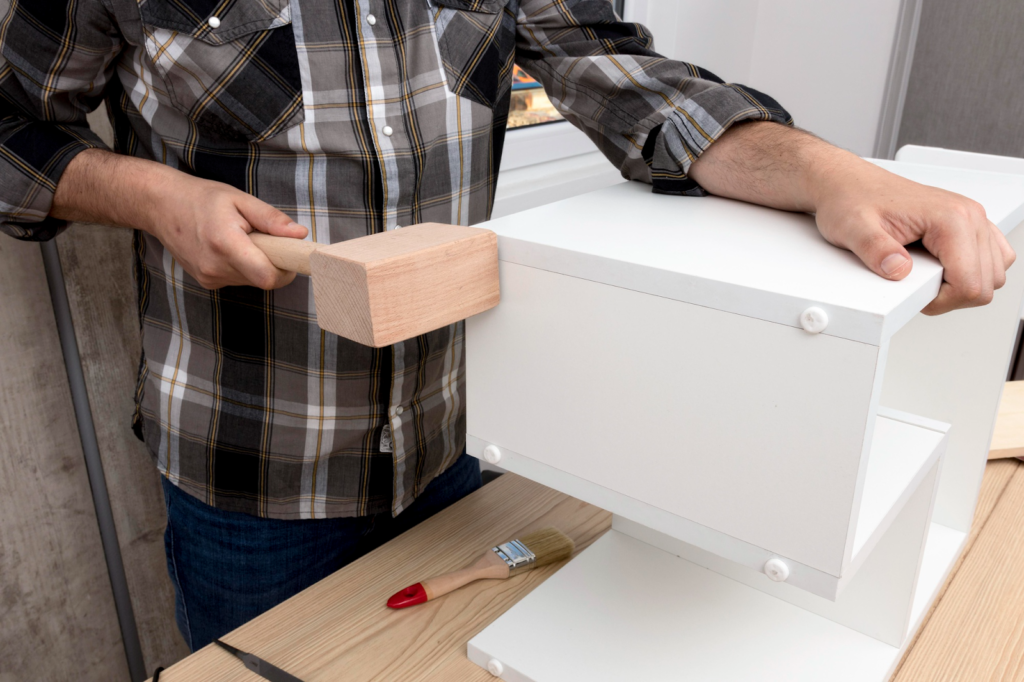
It offers chemical resistance with a clean look. That’s what makes it so effective in environments where spills, stains and cleaning are a fact of daily life.
A kitchen counter or a laminated desk comes to mind. Coffee spills, cleaning sprays, food splatters — it can deal with all of that without much drama.
In design terms, it’s flexible. It can simulate wood grain, solid colors or glossy finishes. That’s precisely why decorative laminates depend on it.
And since it’s a flame retardant material to an extent, it also provides additional safety in certain applications, especially when used in construction or electrical configurations.
Melamine1234: Advantages in Fabrications and Polymers
From a manufacturing standpoint, melamine1234 ticks many boxes.
It’s consistent. Once you dial in the manufacturing processes you get predictable results. That’s an important factor when you’re making thousands — or millions — of them.
It’s cost-effective. It’s arguably a cheaper avenue than solid wood, metal or high-end composites and doesn’t completely compromise performance.
And it fits snugly into modern polymer technology. Manufacturers are able to shape, mold and finish it in mass production processes.
There’s a bit of innovation in material science here too. Formulations have been developed to improve strength, reduce defects, and increase use cases over time.
And it’s not revolutionary — but quietly refined.
Commercial applications of melamine polymer and chemical corrosion protection advantages
Melamine polymer materials are known in the industrial environment for their chemical resistance.
They don’t readily react with common substances. That makes them practical in controlled settings where contact with cleaning agents, oils or mild chemicals is anticipated.
You’ll also find them in panels, coatings and structural components where rigidity is more important than flexibility.
It’s not the kind of material you don’t realize is there — but it tends to do background work, keeping systems from breaking down.
Melamine1234 in automotive and construction environment
Zoom into automotive and construction, and the role becomes increasingly specific.
In vehicles, melamine-based materials can show up in the dashboards and other interior components — panels, trims, and parts that must withstand friction or impact without being overly heavy.
In construction, it’s frequently associated with decorative laminates and surface finishes. Final touches, like wall panels and layers of cabinetry or flooring that need to look good and be able to withstand wear.
That’s why it persists in these industries. It provides a blend of durability and cost control that’s tough to top.
Is Melamine1234 Food Safe for use kitchenware materials
This is where people generally hesitate — and with good reason.
Like regular melamine resin products, Melamine1234 has been reviewed and found to be safe for use with food, providing it is used correctly. No extreme heat, and no misuse.
Here’s a simple example.
Serving salad in a melamine bowl? Totally fine.
Microwaving that same bowl of hot soup? Not a great idea.
The problem isn’t day-to-day wear and tear — it’s trying to make the material do more than it can. Elevated temps and acidic conditions can enhance potential for chemical migration.
So there’s a simple rule: use it as designed. It is great for serving and eating. For heating or reheating or cooking, go to something else.
What are the differences between Melamine1234 vs traditional melamine resin?
So what’s the difference between melamine1234 and traditional melamine resin?

Most of the time, it’s a matter of formula or labeling rather than a totally different composition.
Melamine1234 could be denoting a particular grade, variant composition or product line from within the manufacturer’s schema. Melamine resin is the most general term.
It’s like comparing a certain model of car to the entire brand. Same foundation, slightly different tuning.
Unless you’re working directly in manufacturing or material sourcing, the distinction typically doesn’t affect how you use the product.
Reasons why thermosetting polymers are great in the world of material science
Melamine-based thermosetting polymers are a constant presence in the field of material science innovation.
They offer long-term stability. Once they set up, they don’t damage or warp easily with time.
They’re structurally reliable. That’s significant in both consumer goods and industrial systems.
And they provide a degree of safety — especially when it comes to flame retardant properties or electrical insulation.
They’re not flashy materials, but they are foundational ones. Quietly dependable.
Melamine replacements model Eco-friendly melamine Documentaries 2026
Now, let’s discuss the trade-offs.
Melamine1234 isn’t a recognized champion of sustainable materials. It’s sturdy, sure — but not readily recyclable or biodegradable.
That’s where greener melamine substitutes for 2026 are beginning to pop.
Newer materials attempt to mimic the wearability while arming for environmental gains. Bio-based polymers, recycled composites, and hybrid materials are starting to seep into the space.
Then again, there’s an equilibrium to find.
This durable melamine alternative to dozens of throwaway products may be the best option in some cases.
It isn’t a perfect answer — but it is a realistic one.
Summary: where melamine1234 stands today
Melamine1234 is not fancy, and it doesn’t attempt to be. It’s a workhorse substance with well-established chemistry, honed by decades of applications in other industries.
It works because it answers real-life questions — durability, cost and versatility — it doesn’t complicate things further.
It’s easy to work with, so long as you know its limitations. They can disappoint if you ignore them.
That’s really the takeaway.
And that’s not whether melamine1234 is “good” or “bad.” It’s about understanding where it belongs — and adapting to that.

Hannan Sid is a passionate content creator and digital researcher specializing in emerging trends, technology, and online insights. He writes clear, engaging articles that simplify complex topics for everyday readers. His work focuses on delivering valuable, up-to-date information, helping audiences stay informed, inspired, and ahead in the fast-changing digital world.